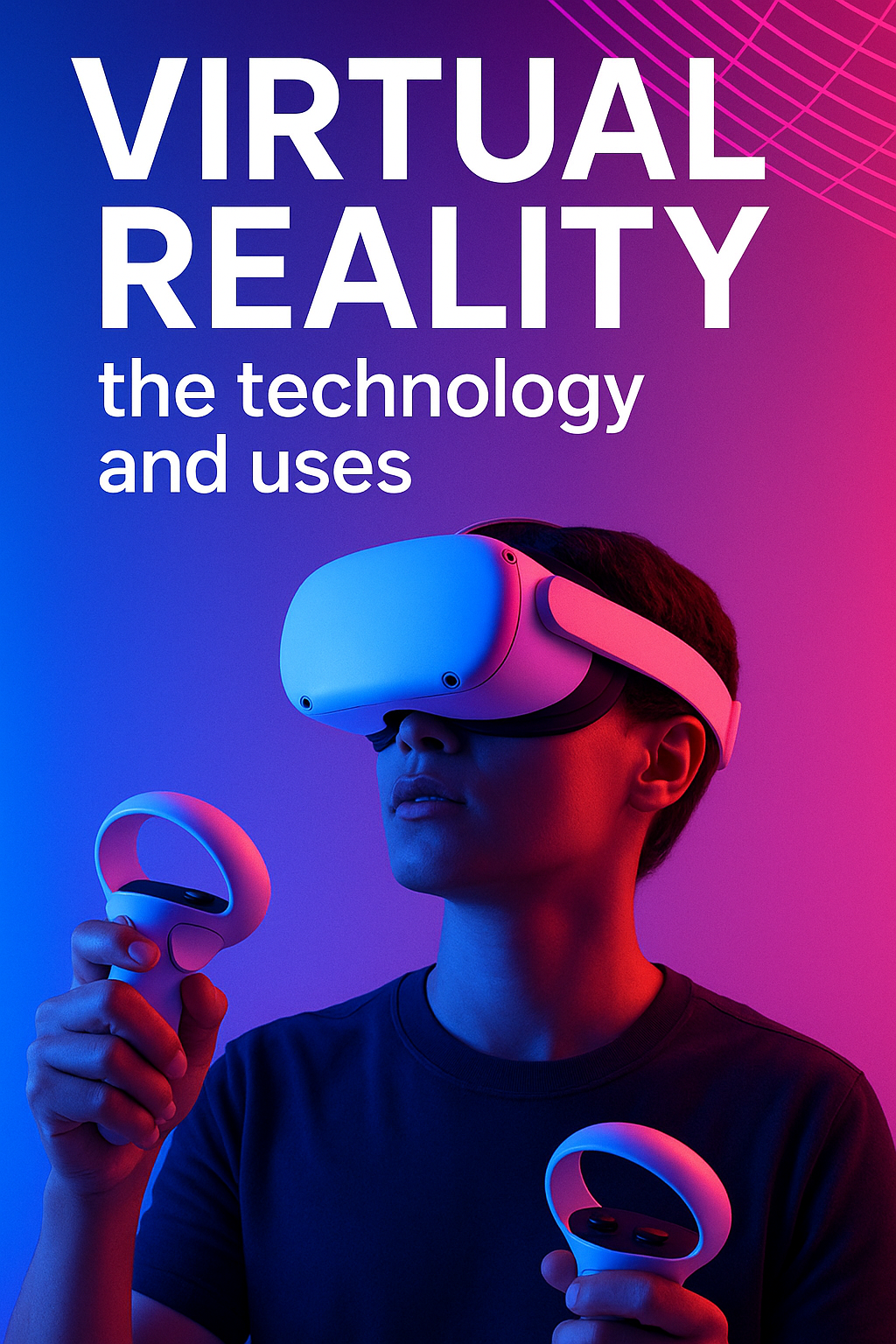
Virtual Reality is not just aNintendo-level fantasy anymore, it's a practical technology weaving itself into work, learning, and everyday experiences. If you’ve ever slipped on a headset and felt a whole world open up around you, you know what I’m talking about. VR blends visuals, sound, and often haptic feedback to place you inside a digital space that reacts to your moves in real time. The result is a sense of presence that’s hard to fake, which is why industries from healthcare to architecture are embracing it as a serious tool, not just a flashy gadget.
When we talk about the hardware, there are a few core ideas to keep in mind. Standalone headsets run everything on the device itself, which means fewer cables and easier setup, great for quick demos or classroom use. Tethered systems rely on a powerful PC or console to push richer graphics and more complex simulations. Controllers with motion tracking, hand-tracking tech, and even haptic gloves are turning virtual interactions into something you can feel as well as see. The software layer matters too: immersive games, training apps, design suites, and collaborative virtual environments create a spectrum from playful to deeply professional. And with the rise of cross-platform ecosystems, you can often move smoothly from a headset in a lab to a laptop on a bus, keeping your work and play in sync.
In gaming and entertainment, VR is where immersion truly shines. Gamers can explore alien landscapes, solve puzzles with spatial awareness, or race through neon cities with a sense of speed and space you can’t replicate on a 2D screen. Beyond games, the same tech powers cinematic experiences, virtual concerts, and interactive storytelling, where you’re not just a viewer, you’re a participant shaping the outcome with your actions. The potential for creators to craft truly immersive narratives is expanding, and as toolsets become more accessible, the line between author and audience grows fuzzier in a good way.
Education and training are among VR’s most promising use cases. Imagine medical students practising delicate procedures in a low-risk environment, airline crews running emergency simulations, or technicians assembling complex equipment with step-by-step guidance visible in your field of view. VR can standardise training, provide repeatable scenarios, and capture performance data that helps instructors tailor feedback. In classrooms, virtual field trips and interactive physics labs can democratize access to experiences that would be expensive or impractical in the real world. For professionals, VR-based simulations can shorten learning curves, reduce real-world risk, and help teams rehearse collaboration in a shared, consistent space.
Healthcare has seen some of the most impactful VR applications. Rehabilitation programs leverage immersive games to motivate patients, therapists use VR to plan and visualise complex surgeries, and mental health professionals explore exposure therapies for anxiety and phobias in controlled environments. The ability to track subtle movements and physiological responses in real time provides insights that were previously out of reach, enabling more personalised care. Of course, this invites important conversations about safety, ethics, and patient privacy, areas where thoughtful regulations and patient-centred design matter as much as the tech itself.
In design, architecture, and manufacturing, VR is a powerful front-end tool. Architects can walk clients through digital twins of buildings before a single brick is laid, while engineers test how a product behaves under stress or in real-world use. Virtual spaces support collaborative workflows where teams in different cities can review, critique, and iterate together, reducing miscommunication and accelerating decision-making. This is not just about visuals; it’s about simulating real-world physics, lighting, and ergonomics so that decisions are informed by experience rather than guesswork.
As VR becomes more integrated into the fabric of business and daily life, we’ll see a growing emphasis on accessibility, content quality, and thoughtful user experiences. Motion sickness remains a hurdle for some, but improvements in comfort design and smarter user onboarding are helping more people enjoy longer sessions. Privacy and data security will also become more central as VR captures more about our movements, preferences, and interactions in immersive spaces. Check this account and follow, comment, let me know what you think!.
#virtualreality #vr #immersivetech #xr #vrtraining #educationtech #healthcaretech #gaming #architecture #design #remotework #futureofwork #techtrends #innovation #virtual #reality #the #technology #and #uses